Driving safety tips every responsible driver should know
The most dangerous part of most people’s day is the time between turning the key and pulling into the driveway again. Safe driving isn’t just about avoiding tickets; it’s about protecting the people you love—and the strangers who are somebody else’s whole world. These tips are simple, but they’re the small hinges that swing big doors when the unexpected happens.
Contents
Build a safety-first mindset before you move
- Check your head and heart. If you’re angry, exhausted, or rushed, your risk skyrockets. Take a breath, set an intention to drive calmly, and give yourself enough time.
- Seat belts, every seat, every time. Make it non-negotiable for all passengers. A two-minute conversation now can prevent a life-changing moment later.
- Set up before you roll. Adjust mirrors, set your playlist and navigation, and secure loose items. If it isn’t ready before you shift to drive, it can wait.
Master the fundamentals that prevent most crashes
- Speed with space. Keep at least a 3-second following distance; extend to 5 seconds in rain, at night, or with heavy vehicles. Space buys options.
- Scan wide, check often. Eyes up, look 12–15 seconds ahead, and flick your mirrors every 5–8 seconds. Anticipation beats reaction.
- Communicate clearly. Signal early, brake smoothly, and avoid sudden moves. Predictable drivers are safer drivers.
- Mind the blind spots. Adjust mirrors to minimize overlap, but never skip a shoulder check before changing lanes.
- Tame distractions. Phones in Do Not Disturb, voice navigation on, and no scrolling at red lights. If it can’t be done with eyes on the road and mind on driving, don’t.
Drive defensively, not fearfully
- Assume others will make mistakes. Expect late merges, rolling stops, and sudden turns. Keep an escape route and “cover the brake” in developing risks.
- Pause at intersections. When your light turns green, count “one” and glance left-right-left. Most severe crashes happen here.
- Respect big vehicles and bikes. Give trucks more space (their “no-zones” are huge) and treat motorcycles like they’re invisible—look twice, then look again.
Adapt to conditions like a pro
- Rain and slick roads. Gentle inputs, doubled following distance, and headlights on. If you hydroplane: ease off the accelerator and steer where you want to go—don’t brake hard.
- Night driving. Match speed to your headlight range, dip high beams for oncoming traffic, and keep the windshield clean to reduce glare.
- Heat and cold. Hot days can overheat engines and tires; cold mornings can hide black ice on bridges and shaded curves. Adjust speed and expectations.
Know your car and its limits
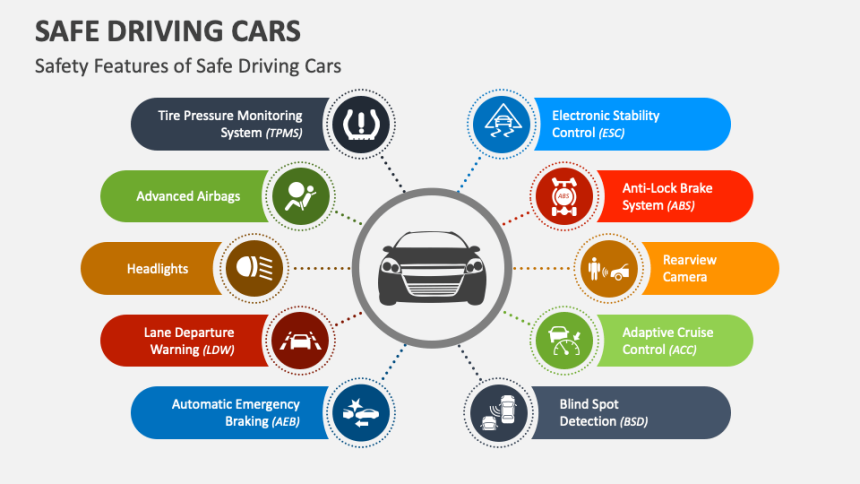
- ABS and ESC basics. If you have ABS, press the brake firmly and steer; don’t pump. Stability control helps, but it can’t beat physics—slow down in curves.
- Driver aids are helpers, not chauffeurs. Lane-keeping, adaptive cruise, and blind-spot monitors reduce workload but require full attention. Hands on, eyes up, mind engaged.
- Tires tell the truth. Proper pressure, adequate tread, and rotation matter more than most gadgets. Your grip on the road starts at four hand-sized patches of rubber.
Fight fatigue the smart way
- Know the early signs. Heavy eyelids, drifting in the lane, or missing exits mean you’re done for now—not later.
- Take real breaks. Every two hours, stop for 15–20 minutes. A short “caffeine nap” (coffee, then a 15-minute doze) can be surprisingly effective.
- Share the wheel. On long trips, rotate drivers and keep conversation light but engaging.
Prepare for the unexpected
- Build a simple kit. Reflective triangle, high-visibility vest, flashlight, first-aid supplies, phone charger, water, and basic tools.
- If you need to stop. Pull fully off the roadway, turn on hazards, and exit away from traffic if safe. Place your warning triangle far enough back to give drivers time.
- After a crash. Check for injuries, call emergency services, move to safety if possible, and exchange information calmly. Document the scene with photos—never admit fault at the roadside.
Bring it home
Every safe arrival is an invisible victory. You won’t get a medal for leaving more space, checking twice, or silencing your phone—but someone who loves you will get you back. That’s the point. Drive like the person you’re protecting is in the car in front of you—because they are, to someone.