Electronic Stability Control: Your Car’s Invisible Guardian (Especially on Saudi Roads) 🛡️🇸🇦
Have you ever navigated the bustling traffic or driven along the occasionally unpredictable desert highways of Saudi Arabia and felt a momentary slip or slide? That’s likely when your Electronic Stability Control (ESC) system subtly stepped in. In a region with diverse driving conditions, from scorching summers to sudden downpours and sandy stretches, ESC is more than just a feature – it’s a crucial safety net. Let’s delve into the intricacies of Electronic Stability Control and why it’s a vital component in modern vehicles, particularly in the context of driving in Saudi Arabia.
Decoding ESC: More Than Just Traction Control 🤔
While often confused with traction control, Electronic Stability Control is a more sophisticated system. Both aim to prevent loss of grip, but ESC goes a step further. Traction control primarily focuses on preventing wheel spin during acceleration by reducing engine power or applying brakes to the spinning wheel(s). ESC, on the other hand, actively intervenes to correct skids and maintain the driver’s intended path, especially during cornering or sudden maneuvers. Think of it this way: traction control helps you get going without spinning your wheels, while ESC helps you stay on course once you’re in motion, particularly when facing challenging road conditions.
The Sensory Network: How ESC Perceives Danger ✨
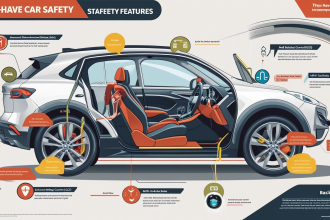
ESC relies on a sophisticated network of sensors that act as its eyes and ears, constantly monitoring the vehicle’s dynamics. These sensors include:
- Steering Angle Sensor: This crucial sensor detects the angle at which the driver is turning the steering wheel, indicating their intended direction of travel.
- Yaw Rate Sensor: The yaw rate sensor measures the vehicle’s rotation around its vertical axis – in simpler terms, whether the car is turning left or right and at what speed.
- Lateral Acceleration Sensor: This sensor measures the sideways force acting on the vehicle. A sudden increase in lateral acceleration can indicate the onset of a skid.
- Wheel Speed Sensors: These sensors, already utilized by the Anti-lock Braking System (ABS), monitor the rotational speed of each individual wheel. Discrepancies in wheel speed can signal a loss of traction.
- Brake Pressure Sensors: These sensors monitor the pressure applied to the brake calipers, providing information about the driver’s braking intentions and the system’s own interventions.
By constantly processing data from these sensors, the ESC system builds a real-time picture of the vehicle’s actual movement and compares it to the driver’s intended direction based on the steering wheel angle.
The Intervention: Correcting Course with Precision ⚙️
When the ESC system detects a significant difference between the driver’s intended path and the vehicle’s actual trajectory – indicating an understeer (plowing straight ahead despite turning the wheel) or oversteer (the rear of the car sliding out) situation – it swiftly and automatically intervenes. Unlike a human driver who might react by slamming on the brakes or overcorrecting the steering, ESC applies braking force to individual wheels selectively.
For example, if the system detects understeer during a left turn, it might apply the brake to the inside rear wheel. This subtle braking action creates a yaw moment, gently pulling the nose of the car back towards the intended line of travel. Conversely, in an oversteer situation during a right turn, the ESC might brake the outside front wheel to help stabilize the rear. These interventions are often so subtle and rapid that the driver might only notice a flashing ESC indicator light on the dashboard.
Why ESC is Particularly Relevant in Saudi Arabia 🇸🇦🚦
Driving conditions in Saudi Arabia present unique challenges where ESC proves invaluable:
- Variable Road Surfaces: From the smooth asphalt of city highways to the occasionally sandy shoulders and desert tracks, grip levels can change unexpectedly. ESC helps maintain control when transitioning between these surfaces.
- High Temperatures and Tire Wear: The extreme heat in Saudi Arabia can affect tire pressure and accelerate wear, potentially reducing grip. ESC can compensate for slight losses in traction.
- Sudden Weather Changes: While rain is infrequent in many parts of Saudi Arabia, sudden downpours can create slippery conditions. ESC is crucial in maintaining stability on wet roads.
- Heavy Traffic and Unexpected Maneuvers: Navigating the dense traffic in citie often requires quick lane changes and braking. ESC assists in maintaining control during these abrupt maneuvers.
- Prevalence of SUVs and Larger Vehicles: SUVs, popular in Saudi Arabia, have a higher center of gravity, making them potentially more susceptible to rollovers in extreme situations. ESC plays a vital role in mitigating this risk.
Given these factors, the mandatory inclusion of ESC in new vehicles in Saudi Arabia underscores the government’s commitment to road safety.
Recognizing and Understanding Your ESC System 🤔💡
Most vehicles equipped with ESC will feature an indicator light on the instrument panel. This light typically displays the letters “ESC,” “DSC,” “VSC,” or a symbol of a car with swerving lines behind it. When you start your engine, this light should illuminate briefly and then turn off, indicating that the system is active and functioning correctly. If the ESC light flashes while you are driving, it means the system is actively intervening to help maintain control. A continuously illuminated ESC light suggests a malfunction in the system, requiring attention from a qualified mechanic.
It’s also important to note that some vehicles may have a button that allows you to temporarily disable the ESC system. However, it is generally recommended to keep ESC enabled at all times for maximum safety, especially during regular driving conditions. Disabling ESC should typically only be considered in specific situations, such as trying to free a vehicle stuck in deep sand, where wheel spin might be beneficial. Always consult your vehicle’s owner’s manual for specific instructions and recommendations regarding your ESC system.
Driving Safely with ESC: It’s an Aid, Not a Substitute 👍
While ESC is a remarkable safety technology, it’s crucial to remember that it is an aid to safe driving and not a substitute for it. Drivers should always:
- Maintain safe speeds: ESC cannot overcome the laws of physics. Excessive speed remains a primary factor in loss of control accidents.
- Adapt to road conditions: Be mindful of wet, sandy, or uneven surfaces and adjust your driving accordingly.
- Avoid aggressive maneuvers: Sudden, sharp steering inputs and harsh braking can still overwhelm the capabilities of ESC.
- Ensure proper tire maintenance: Properly inflated tires with adequate tread are essential for optimal grip and the effective functioning of ESC.
Conclusion: Embracing the Safety Net on Saudi Roads 🌟
Electronic Stability Control is a significant advancement in automotive safety, providing an invaluable layer of protection, particularly in the diverse and often challenging driving environment of Saudi Arabia. Understanding how it works and appreciating its role can empower drivers to be more aware and confident behind the wheel. So, as you navigate the roads of the Kingdom, remember that your car’s invisible guardian, ESC, is there to help keep you safe on your journey. Drive responsibly, stay vigilant, and appreciate the technology that works tirelessly to enhance your safety.